

Antimicrobial Coatings: A Game-Changer for Hygiene and Safety
In high-risk environments like hospitals, food production facilities, and pharmaceutical labs, surface hygiene is more than just a priority—it’s a necessity. Traditional cleaning methods can only do so much, leaving surfaces vulnerable to microbial growth between disinfection cycles. That’s where antimicrobial coatings step in, offering an added layer of defense that works around the clock to prevent the spread of bacteria, fungi, and viruses.
How Do Antimicrobial Coatings Work?
Unlike conventional surface treatments, antimicrobial coatings are engineered to actively combat microbial growth. They contain agents like silver that disrupt the cell walls of bacteria, rendering them inactive and preventing them from multiplying. These coatings are applied to high-touch surfaces, ensuring long-lasting protection even in high-traffic areas.
Where Are They Used?
Antimicrobial coatings have become a go-to solution for industries where hygiene is critical, including:
-
Healthcare Facilities
Hospitals, clinics, and labs require strict contamination control, and antimicrobial coatings help reduce infection risks. -
Food Processing & Commercial Kitchens
From countertops to storage areas, surfaces in food environments must meet rigorous hygiene standards. -
Pharmaceutical & Cleanroom Spaces
Ensuring a sterile environment is crucial for manufacturing sensitive products. -
Public Spaces & Transportation
Airports, public restrooms, and mass transit systems benefit from continuous surface protection.
T2 MCM with Silver: A Next-Gen Antimicrobial Solution
One of the most advanced nano coatings in this space is Premera’s T2 MCM with Silver. Designed for environments where hygiene and durability go hand in hand, it eliminates 99.9% of bacteria, fungi, and viruses while providing long-term protection. Its silver-infused technology makes it ideal for use in food-safe environments, healthcare settings, and industrial applications.
The Future of Surface Protection
As industries continue to prioritize hygiene and safety, antimicrobial coatings like T2 MCM are shaping the future of clean, protected spaces. Their ability to provide ongoing defense against microbial threats makes them an essential solution for businesses looking to elevate hygiene standards while reducing maintenance efforts.

Protecting Infrastructure: The Key to Long-Lasting, Resilient Structures
Infrastructure is the backbone of modern civilization. From bridges and highways to tunnels and ports, these structures keep cities moving and economies thriving. But with constant exposure to weather, traffic, and environmental stressors, even the most well-built infrastructure is at risk of deterioration.
Without proper protection, steel corrodes, concrete cracks, and surfaces degrade—leading to costly repairs, safety hazards, and operational disruptions. The challenge isn’t just building infrastructure; it’s ensuring it lasts.
The Role of Protective Coatings
One of the most effective ways to extend the lifespan of infrastructure is through advanced protective coatings. These coatings act as a barrier against corrosion, moisture, and UV damage, reducing the wear and tear that comes with time.
-
Bridges & Overpasses
Constantly exposed to rain, pollution, and temperature shifts, bridges benefit from coatings that prevent rust and structural weakening. -
Highways & Roadways
Heavy traffic, oil spills, and extreme weather take a toll. Protective coatings help resist cracking, potholes, and premature wear. -
Ports & Docks
Saltwater exposure is a major challenge for coastal infrastructure. Corrosion-resistant coatings safeguard metal and concrete from degradation.
The Long-Term Benefits
Investing in protective coatings is a smart move for both public and private sectors. They reduce maintenance costs, minimize downtime, and improve safety—all while extending the life of critical infrastructure. Sustainability is also a key factor. The longer a structure lasts, the fewer resources are needed for repairs and replacements, reducing environmental impact.
A Smarter Approach to Infrastructure Protection
While traditional maintenance methods focus on repairs, a preventative approach using high-performance nano coatings can save time, money, and resources in the long run. Innovative solutions, like those fromPremera Coatings, are designed to withstand the toughest conditions, keeping infrastructure durable and reliable for years to come.
In a world where infrastructure is the foundation of progress, protection isn’t an option—it’s a necessity.
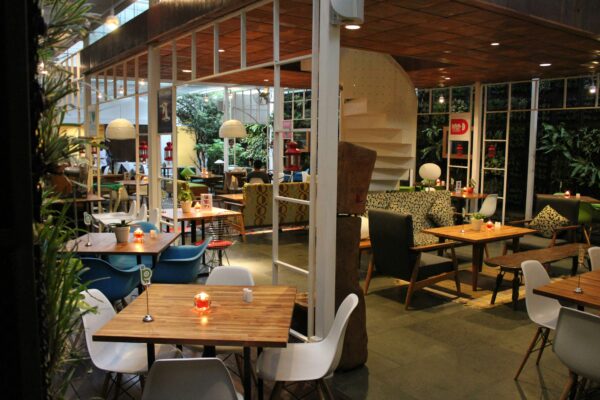
Durable Flooring in F&B: What You Need to Know
Flooring in food and beverage (F&B) establishments faces unique challenges. From spills and stains to heavy foot traffic, these environments demand flooring solutions that balance durability, hygiene, and design. By addressing these challenges proactively, you can create a safe, inviting, and long-lasting space for guests and staff alike.
Common Flooring Challenges in F&B Spaces
-
Spills and Stains
Food and drink spills are inevitable, leading to unsightly stains that detract from the overall ambiance. A coating with stain-resistant properties can make maintenance easier and preserve the flooring’s visual appeal. -
Wear and Tear
High foot traffic—combined with movement from furniture, equipment, and supplies—can wear down floors quickly. Selecting materials with enhanced durability ensures the flooring withstands daily use. -
Heat Damage
In kitchens or venues using high-temperature equipment, heat exposure can damage floors. Heat-resistant coatings are essential for protecting the surface. -
Hygiene and Maintenance
Ease of cleaning is critical to maintaining hygiene standards in F&B spaces. Flooring with low maintenance requirements saves time for staff while keeping the space spotless. -
Aesthetic Consistency
F&B spaces thrive on ambiance, making it essential to choose flooring solutions that complement the interior design without compromising functionality.
Tips for Better Flooring in F&B Spaces
-
Choose the Right Base Material:
Start with a strong, suitable substrate that aligns with your functional and aesthetic needs. -
Use Protective Coatings:
Advanced coatings like Premera’s T2 MCM can address many of the challenges in F&B settings. With stain protection, and enhanced durability, it serves as an excellent topcoat for ensuring long-lasting performance. -
Invest in a Quality Primer:
For proper adhesion, a reliable primer like Premera’s FP1 Fusion Primer ensures coatings bond effectively to the surface, preventing issues like peeling or bubbling. -
Consider Safety:
Select slip-resistant coatings to enhance safety for staff and customers.
A thoughtful flooring system starts with preparation and ends with protective finishes. By choosing materials and solutions that address the specific demands of F&B environments, you not only protect your investment but also create a space that leaves a lasting impression on your customers.
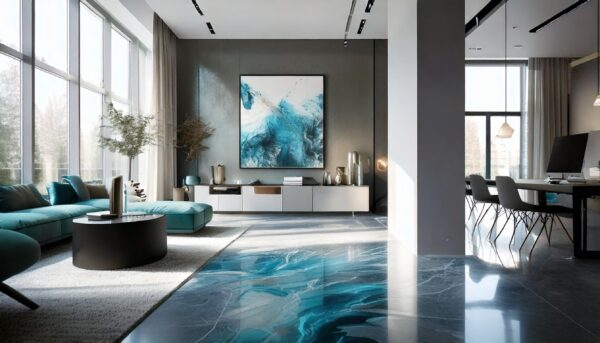
5 Essential Tips for Flawless Epoxy Floors
Epoxy floor coatings are a durable, stylish choice for concrete surfaces, but achieving the best results requires proper planning and execution. Here are some key factors to keep in mind:
1. Surface Preparation
A successful epoxy coating begins with meticulous surface preparation. Without it, issues like peeling and bubbling can occur. Using the right primer, such as FP1 Fusion Primer, ensures the epoxy bonds well to the surface, creating a durable foundation for the coating.
2. Temperature and Conditions
Applying epoxy in extreme temperatures can lead to cracking or uneven finishes. Always follow application guidelines for temperature and humidity to ensure a smooth and even coating.
3. Top Coat Protection
To prolong the life of your epoxy floor and maintain its finish, consider applying a protective top coat. Premera’s T2 MCM is an excellent clear coat option that enhances durability and shields the epoxy from wear and tear.
4. Curing Time
Patience is crucial during the curing process. Rushing can compromise the coating’s strength and appearance, so allow the recommended time before using the surface.
5. Ongoing Maintenance
Though low maintenance, epoxy-coated floors benefit from periodic cleaning and occasional touch-ups to maintain their glossy appeal and performance.
By prioritizing preparation, using high-quality products like Premera’s FP1 Fusion Primer and T2 MCM clear coat, and adhering to best practices, you can enjoy an epoxy-coated surface that is both functional and visually striking.
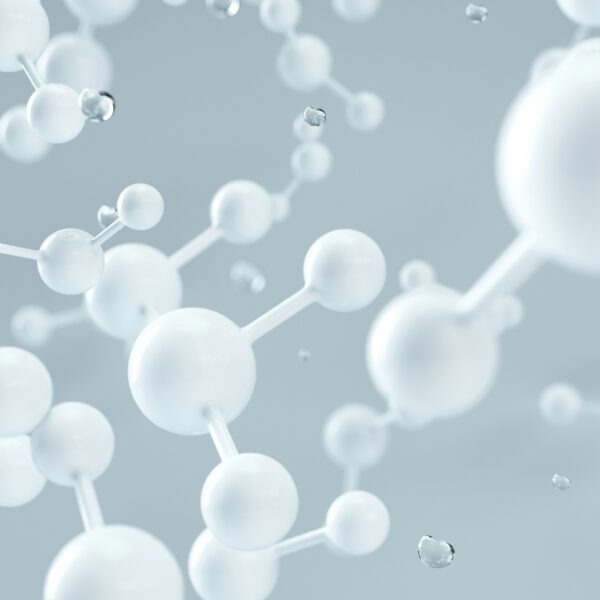
Understanding Sol-Gel Coatings: A New Innovation in Surface Protection
Sol-gel coatings are making waves in the realm of surface protection, and it’s worth diving into what they are and how they work. At its core, a sol-gel involves tiny solid particles, known as “sols,” suspended in a liquid. Think of smoke—while it appears to be a gas, it’s actually composed of minuscule carbon particles floating around in the air. In the case of sol-gels, these particles behave like a liquid, which allows for easy spreading and bonding to various surfaces.
One of the standout features of sol-gel coatings is their use of silicon dioxide, commonly found in quartz. This choice of material lends our products remarkable protective properties, making them suitable for a variety of applications.
A Brief History of Sol-Gel Technology
Though sol-gel technology has roots dating back to the 1960s, significant advancements have emerged over the years. One notable shift occurred in 2012, when the traditional method of applying sol-gels was revolutionized. Earlier formulations required high temperatures—often upwards of 600°F—to harden, limiting their usability. However, innovations now allow sol-gel coatings to cure at ambient temperatures ranging from 45°F to 105°F. This means they can be effectively used in everyday environments, whether in new construction projects or home renovations.
The Role of Silanes in Sol-Gel Technology
A key player in the sol-gel process is silanes. These compounds are essential for creating strong bonds with both inorganic surfaces (like concrete and metal) and organic materials (such as paints and epoxies). Unlike traditional coatings that rely on mechanical bonds, which need a rough surface for adhesion, silanes create chemical bonds. This unique property allows coatings to adhere effectively, even without a rough texture. This is particularly beneficial when using a primer for epoxy, as it streamlines the application process.
The Benefits of Sol-Gel Coatings
-
Outstanding Adhesion:
Sol-gel coatings bond well without the need for roughening the surface, making them ideal for polished finishes. -
Durable Protection:
The quartz crystal layer formed during the curing process is highly resistant to abrasion, chemicals, and UV exposure, making these coatings suitable for both indoor and outdoor applications. -
Versatile Applications:
From concrete and tile to glass and metal, sol-gel coatings can be applied to a wide range of surfaces, providing reliable protection. -
Easy Application:
These coatings are typically single-component and self-leveling, which simplifies the application process by eliminating the need for back rolling.
Sol-gel technology represents a significant advancement in surface protection. By combining ambient curing with the strong adhesion properties of silanes, sol-gel coatings offer impressive performance across various applications. Whether you’re looking to protect a countertop or a floor, understanding this technology can help you make informed decisions for your next project.
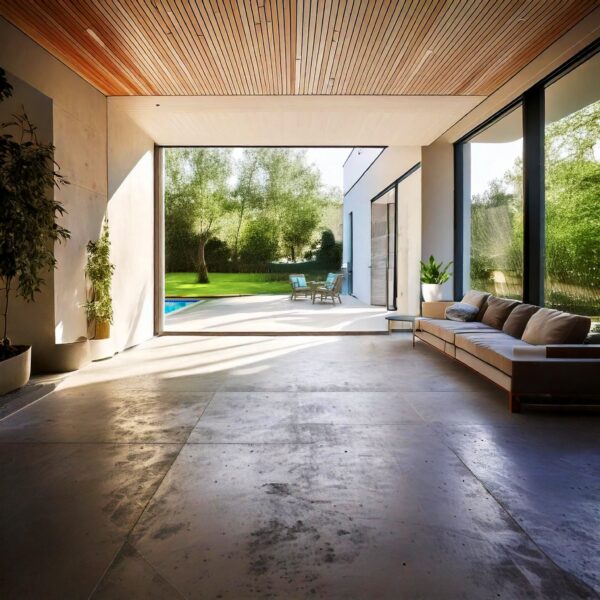
A Guide To Protecting Your Microtopping Flooring
Microtopping flooring has become a popular choice for its sleek, modern aesthetic and versatility. Whether used in commercial spaces or residential interiors, this thin, cement-based overlay can transform any surface into a seamless, minimalist design statement. However, like all flooring options, microtopping requires proper care and protection to maintain its durability and appearance over time. In this blog, we’ll explore the best ways to protect microtopping floors and how specialized coatings, like those offered by Premera, can play a key role in extending their lifespan.
What Is Microtopping?
Microtopping is a cementitious coating applied in thin layers, often just a few millimeters thick, to create a smooth, continuous surface without grout lines or joints. It’s commonly used on floors but can also be applied to walls, countertops, and other surfaces. Microtopping offers a refined look that fits well with modern or industrial design themes, making it an appealing choice for homeowners and business owners alike.
Why Protect Microtopping Flooring?
While microtopping floors are durable, they can face daily challenges that may impact their longevity. Without adequate protection, microtopping can be prone to:
-
Scratches:
High-traffic areas are especially vulnerable to scratching from foot traffic, furniture, or abrasive particles like dirt and sand. -
Stains:
Microtopping is porous by nature, making it susceptible to staining from spills, especially if the floor isn’t sealed. -
Moisture Damage:
Although microtopping can be water-resistant when sealed, unprotected floors can absorb moisture, leading to potential cracking or discoloration over time. -
Wear and Tear:
In commercial spaces, microtopping can be subjected to heavier wear, and protecting it ensures it holds up to daily use without deteriorating.
The most effective way to protect microtopping flooring is by applying a high-quality sealer or protective coating. Premera’s signature clear coat T2 MCM is specially designed to enhance the durability of surfaces like microtopping. These sol-gel coatings offer a strong, lasting bond that doesn’t require the floor to be roughened or etched, making them an ideal solution for maintaining the pristine finish of microtopping floors.
How Premera Coatings Enhance Microtopping Protection
When it comes to sealing and protecting microtopping floors, choosing the right coating is crucial. Premera’s advanced coatings provide a high-performance solution designed to prolong the life of microtopping and other delicate surfaces. Our coatings form a durable layer that protects against abrasions, stains, and moisture, while also enhancing the aesthetic of the floor by giving it a polished finish.
One standout feature of Premera’s protective coatings is their easy application and quick curing process. Whether you’re working on a new installation or refreshing an existing microtopping floor, our coatings can be applied efficiently, minimizing downtime and ensuring a durable finish.
Additionally, Premera’s sol-gel technology uses chemical bonding rather than mechanical adhesion, allowing the coating to form a secure layer over the microtopping without the need for surface roughening. This ensures that the sleek, seamless look of your microtopping floor remains intact while being well-protected from daily wear and tear.

How to Tackle Surface Damage in High-Traffic Hospitality Spaces
The hospitality industry thrives on creating welcoming, aesthetically pleasing environments for guests, but maintaining those pristine spaces can be a constant battle. From high-end restaurants to bustling shisha lounges, one of the biggest challenges is keeping floors and surfaces in top condition. Constant foot traffic, spills, and wear and tear are daily realities, and if not addressed properly, they can lead to costly repairs, unappealing aesthetics, and safety hazards.
In this blog, we explore some of the most common surface problems faced by the hospitality industry and how effective surface protection solutions can make a world of difference.
1. Damage from Foot Traffic
Challenge:
Whether it’s the lobby of a five-star hotel or the dining area of a busy restaurant, foot traffic is relentless in hospitality spaces. High volumes of movement can lead to scuffs, scratches, and general surface wear, particularly on flooring materials like polished concrete or microtopping.
Solution:
Applying protective coatings like Premera’s T2 MCM can significantly extend the lifespan of floors by creating a hard-wearing barrier. This prevents scuff marks, scratches, and the gradual breakdown of the surface, ensuring that floors retain their sleek appearance even after heavy use.
2. Spills and Stains
Challenge:
Spills are inevitable in the hospitality world, from drinks in bars to cleaning chemicals in kitchens. Liquids seeping into porous surfaces can cause staining and, over time, lead to structural damage. For polished concrete floors, stains can be especially hard to remove without costly refinishing.
Solution:
Surface protection solutions, such as concrete sealers and epoxy coatings, form a non-porous layer over the surface. This not only prevents liquids from penetrating but also makes cleaning and maintenance far easier, reducing the risk of stains.
3. Burns and Heat Damage
Challenge:
In environments like shisha lounges, burn marks from dropped charcoal or cigarettes can easily ruin floors, especially if the flooring is made from microtopping or other decorative finishes. Heat damage can be tricky to repair and may require frequent replacements.
Solution:
Heat-resistant coatings like Premera’s T2 create a protective barrier that shields surfaces from burn damage. Whether it’s a shisha lounge dealing with hot charcoal or a restaurant kitchen, these coatings can prevent unsightly marks and the costly need to repair damaged floors.
4. Water Damage and Leaks
Challenge:
Water damage is a persistent issue in areas like bathrooms, kitchens, or outdoor terraces. Without the proper protection, water can seep into floors and walls, leading to cracking, mold, and even structural issues over time. In particular, roof waterproofing is essential for outdoor dining areas or rooftop bars.
Solution:
Concrete waterproofing solutions, such as the use of waterproofing primers and sealers, provide a durable shield against water penetration. This is crucial for both indoor and outdoor spaces, ensuring that water damage does not compromise the integrity or appearance of the venue.
5. Surface Cracking
Challenge:
Surfaces like concrete or microtopping can crack over time, especially in high-traffic areas or due to temperature fluctuations. These cracks not only look unsightly but can also lead to more serious damage if left untreated.
Solution:
Applying epoxy primers and coatings can reinforce the surface and prevent cracks from forming. Additionally, products like primer for waterproofing offer added protection against moisture, which can exacerbate cracking and surface damage.
6. Fading and Dullness
Challenge:
Over time, the vibrant appearance of surfaces can fade due to exposure to sunlight, cleaning chemicals, and general wear. This dullness affects the overall aesthetic appeal of a space, particularly in venues that rely on polished concrete floors or colorful microtopping designs.
Solution:
Protective coatings like concrete sealers or epoxy coatings not only provide a protective layer but can also enhance the sheen and vibrancy of floors. Regular maintenance with these products can ensure that surfaces retain their aesthetic appeal longer.
7. Safety Hazards from Slippery Floors
Challenge:
Spills and moisture on unprotected surfaces can create dangerously slippery conditions, especially in kitchens, bathrooms, and bar areas. This is a serious safety concern for both staff and guests, potentially leading to accidents and liability issues.
Solution:
Using anti-slip coatings as part of a floor waterproofing or concrete sealer solution can significantly reduce the risk of slips and falls. These coatings provide traction, even when floors are wet, ensuring safety without compromising the floor’s appearance.
8. Difficulty in Maintenance
Challenge:
Hospitality spaces require frequent and thorough cleaning, but certain surfaces—like polished concrete or microtopping flooring—can be difficult to maintain. Harsh cleaning chemicals can wear down unprotected surfaces, while stains and grime build up quickly.
Solution:
A protective layer from products like T2 simplifies the cleaning process. Coated surfaces are more resistant to damage from chemicals and grime, allowing staff to maintain cleanliness with less effort and less frequent intensive cleaning sessions.
9. Frequent Renovation Costs
Challenge:
The need for frequent touch-ups, repairs, and surface replacements can add up quickly for hospitality businesses. Unprotected surfaces are more prone to damage, increasing the cost of maintaining the venue.
Solution:
Investing in long-term protection with products like T2, epoxy primers, and concrete waterproofing not only reduces the frequency of repairs but also extends the lifespan of floors and surfaces. This leads to significant savings in renovation costs over time.
The hospitality industry faces a myriad of challenges when it comes to maintaining floors and surfaces, but with the right protection, these problems can be mitigated. Premera’s range of surface protection solutions—including T2, epoxy coatings, and concrete sealers—are designed to address the specific issues that hotels, restaurants, bars, and lounges encounter daily. By investing in quality surface protection, hospitality venues can not only enhance the longevity of their spaces but also create safer, more inviting environments for their guests.
If you’re looking to protect your surfaces from the challenges of high traffic, spills, and wear, contact Premera today to learn how our solutions can help.

Top 5 Challenges in Waterproofing Projects and How to Overcome Them
Waterproofing is essential for protecting buildings from water damage, ensuring structural integrity, and prolonging the lifespan of construction materials. Despite its importance, waterproofing projects come with several challenges. Here are the top five hurdles commonly faced in waterproofing projects and strategies to tackle them effectively.
1. Hard-to-Reach Areas
Challenge:
Waterproofing hard-to-reach areas, such as behind fixtures, in tight spaces, or on elevated sections, presents a significant challenge. These locations require meticulous application and inspection, often making the process labor-intensive and time-consuming.
Solution:
Utilize tools and techniques that are designed for precision and accessibility. Specialized applicators and extension tools can help reach these difficult areas, ensuring that every part of the surface is properly treated.
2. Surface Preparation and Grinding
Challenge:
Proper surface preparation is critical for effective waterproofing, but it often involves extensive grinding, cleaning, and priming. This phase can be laborious, time-consuming, and costly, impacting the overall efficiency of the project.
Solution:
Streamline the surface preparation process by using advanced primers designed for waterproofing. A high-quality primer can reduce the need for extensive surface grinding, making the preparation phase quicker and more efficient.
3. Ensuring Comprehensive Coverage
Challenge:
Achieving complete and consistent coverage is vital to prevent leaks and ensure effective waterproofing. Uneven application can lead to weak spots and potential failures in the waterproofing layer.
Solution:
Use high-performance waterproofing systems that are designed to provide uniform coverage. Employing methods and materials that enhance adhesion and fill in gaps can help ensure that the waterproofing layer is applied thoroughly and evenly.
4. Dealing with Existing Coatings
Challenge:
Renovation projects often involve working with existing coatings or surfaces that may be damaged or incompatible with new waterproofing materials. This can complicate the application process and affect the effectiveness of the new waterproofing layer.
Solution:
Select waterproofing products that are compatible with existing coatings. Certain primers for waterproofing are formulated to adhere well to a variety of substrates, making it easier to apply new waterproofing layers over old or damaged surfaces.
5. Adapting to Environmental Conditions
Challenge:
Waterproofing systems must withstand a range of environmental conditions, including extreme temperatures, high humidity, and UV exposure. Ensuring that the waterproofing solution remains effective under these conditions can be challenging.
Solution:
Solution:
Choose waterproofing materials that are engineered to endure harsh environmental stressors. Products that offer resistance to UV radiation, temperature fluctuations, and moisture will provide long-term protection and durability.
Waterproofing projects present several challenges, from hard-to-reach areas and surface preparation to ensuring comprehensive coverage and adapting to environmental conditions. By addressing these issues with the right strategies and materials, you can achieve effective and long-lasting waterproofing.
For those seeking advanced solutions, consider exploring high-performance options like specialized primers and coatings designed to meet the demands of complex waterproofing tasks. These solutions can simplify the process, enhance performance, and ensure reliable protection for your projects.
If you need more information on tackling waterproofing challenges or selecting the right products, feel free to reach out to industry experts for guidance and support.